
Tree Removal
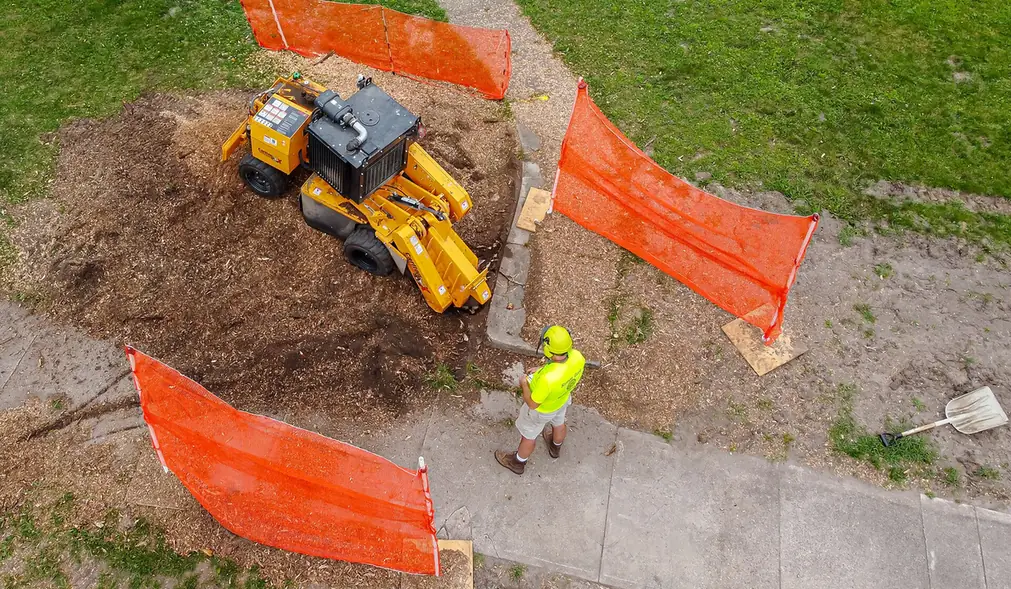
Taken down whole where the ground allows, or lowered in sections where a roof is underneath.
Read moreWhen a tree really has run out of road, the question stops being whether and starts being how. The how is decided by the slope, the access and the wood.
Not height alone. A pine on an open back slope and the same pine over a garage roof are different afternoons entirely.
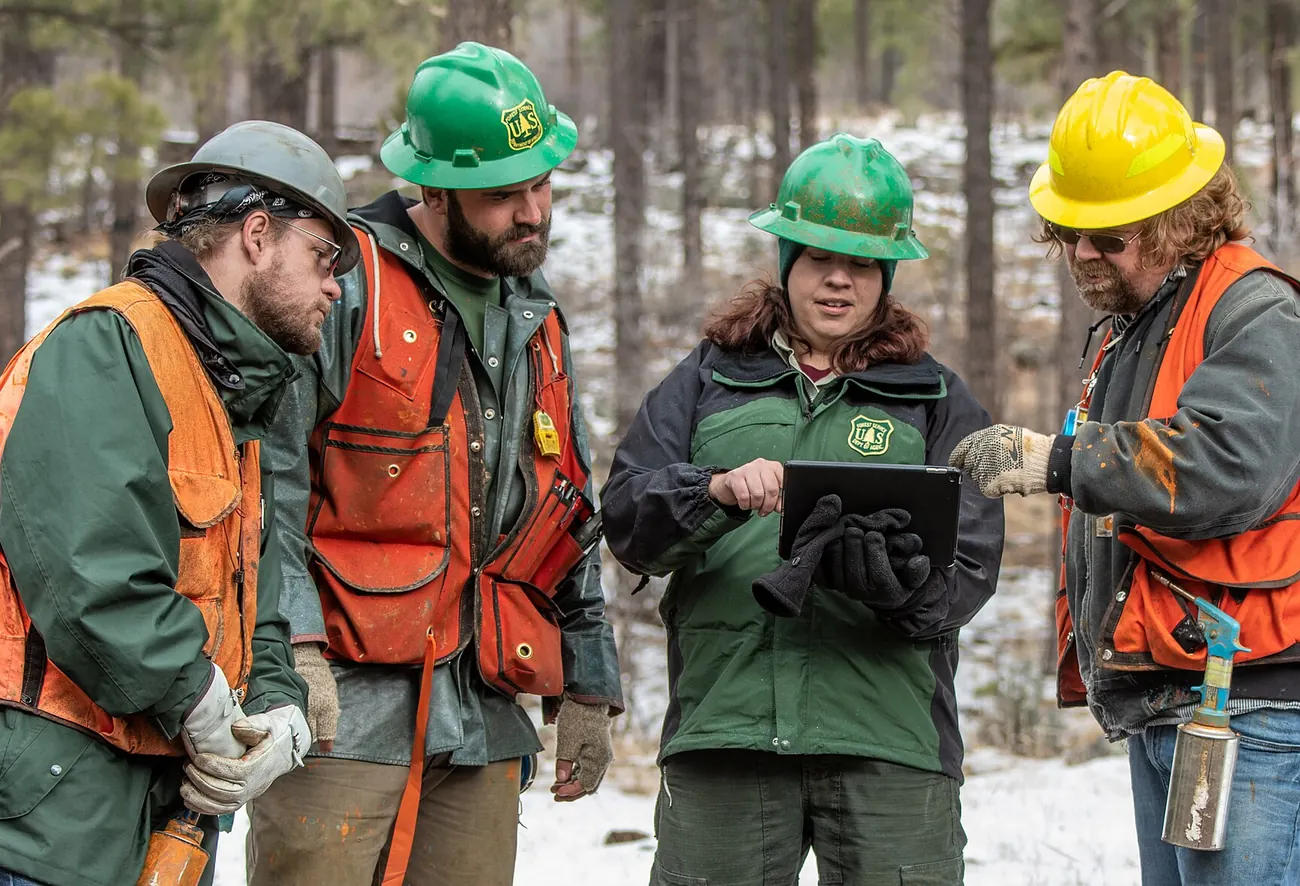
Species, rough height and what sits below. Ridge lots also need the slope and the gate, because those decide whether anything can drive in.
Base, trunk, unions and crown, read in that order, then a straight answer on whether the tree is a removal or a prune.
Method and figure on paper. If a crane is going to be needed, that is said now and not discovered on the day.
Down, loaded and gone, with the ground raked and the wood on our truck rather than stacked at your curb.
Most trees people ask us to take out do not need taking out. These six are the ones that genuinely change the answer, and they are about structure rather than appearance. A scruffy tree is not a dangerous one.
Soft wood or brackets where the trunk meets the ground undermines the part of the tree that holds all the rest of it up.
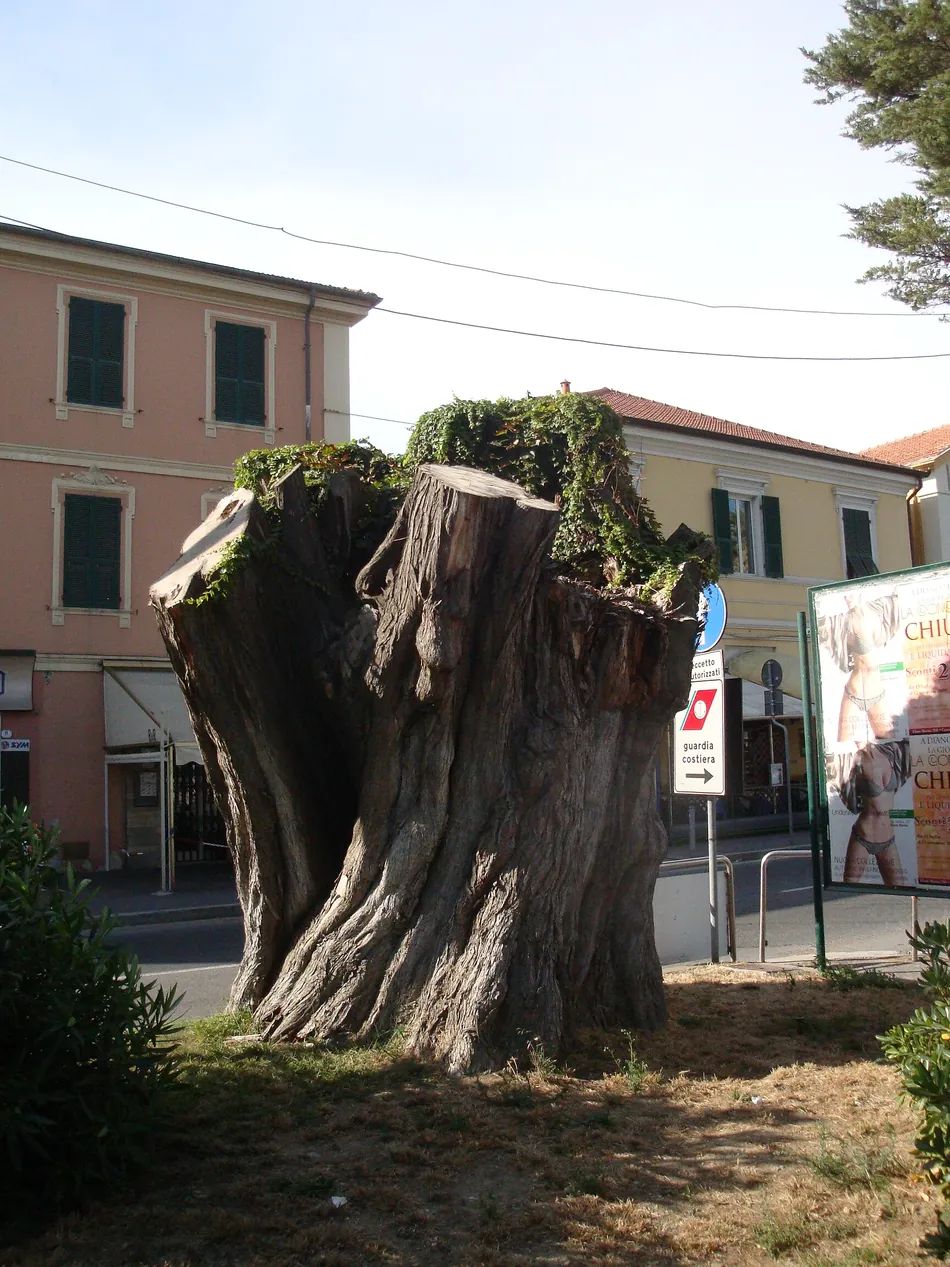
Trees live with cavities for decades. What matters is how much sound wood is left in the shell around it.
Once a union has begun to open, it does not close again. Cabling buys time on some trees and none at all on others.
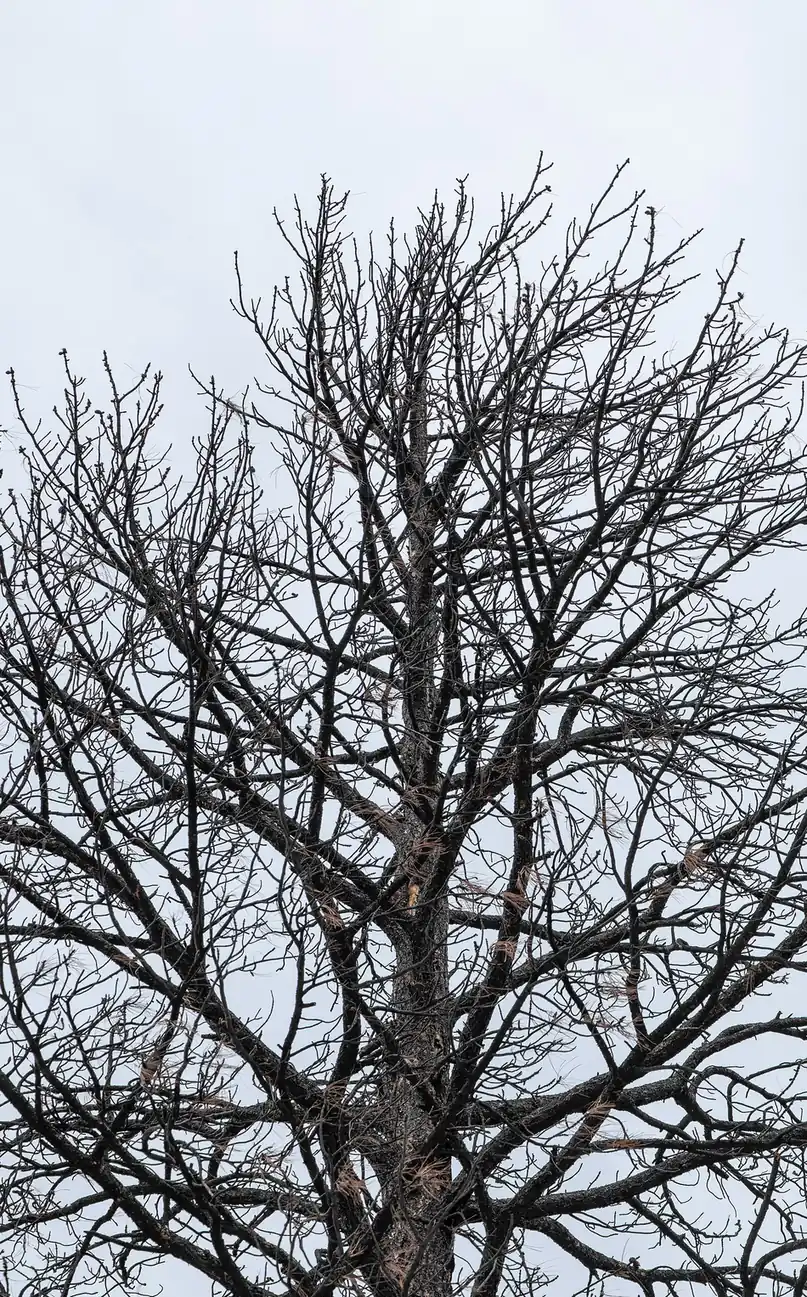
A tree that has lost most of its living canopy cannot feed the wood it still has, and it goes on declining from there.
Raised turf on the side opposite the lean means the whole plate is rotating. That is the one that does not wait.
If the tree sits at a different angle than it did last season, something below ground changed, and angle is only the symptom.
A tree is not dangerous simply because it is big, old or ugly. Three things have to be true together. There must be a defect capable of failing, whether that is rot, a split union or a compromised root plate. There must be something driving it, such as saturated ground, a ridge wind or a neighboring tree that used to shelter it and has gone. And there must be a target underneath worth protecting. Take away any one of the three and the calculation changes completely, which is why an identical tree can be urgent in one garden and perfectly fine in the next.
Slope changes everything about access. Half the lots along the crest fall away behind the house, so the drop zone a valley lot would have simply is not there, and a machine that could reach the trunk cannot get back out loaded.
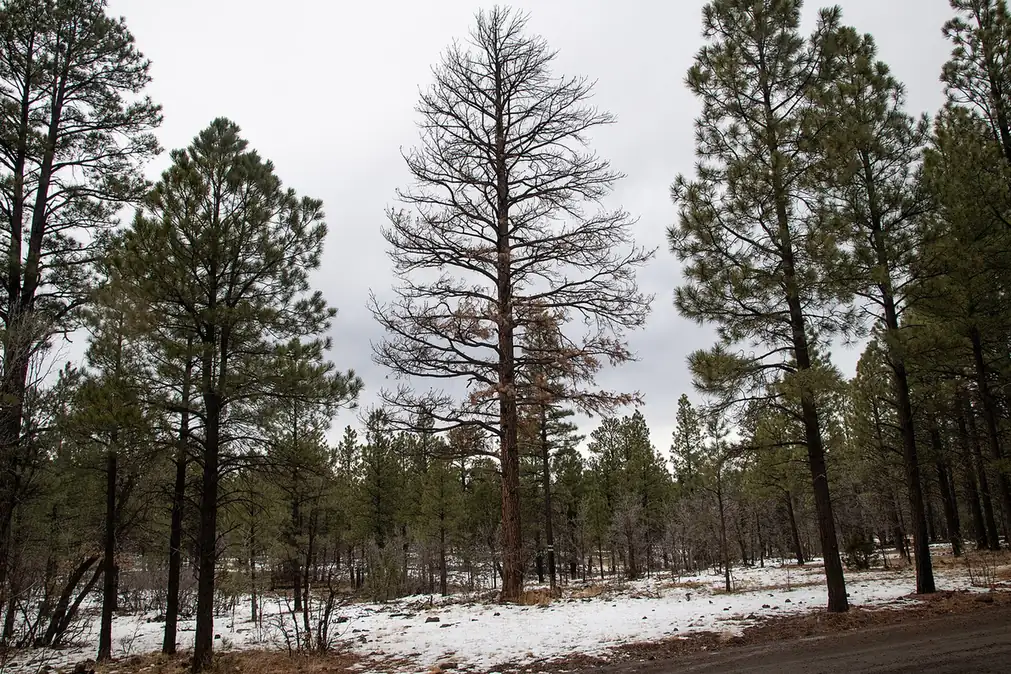
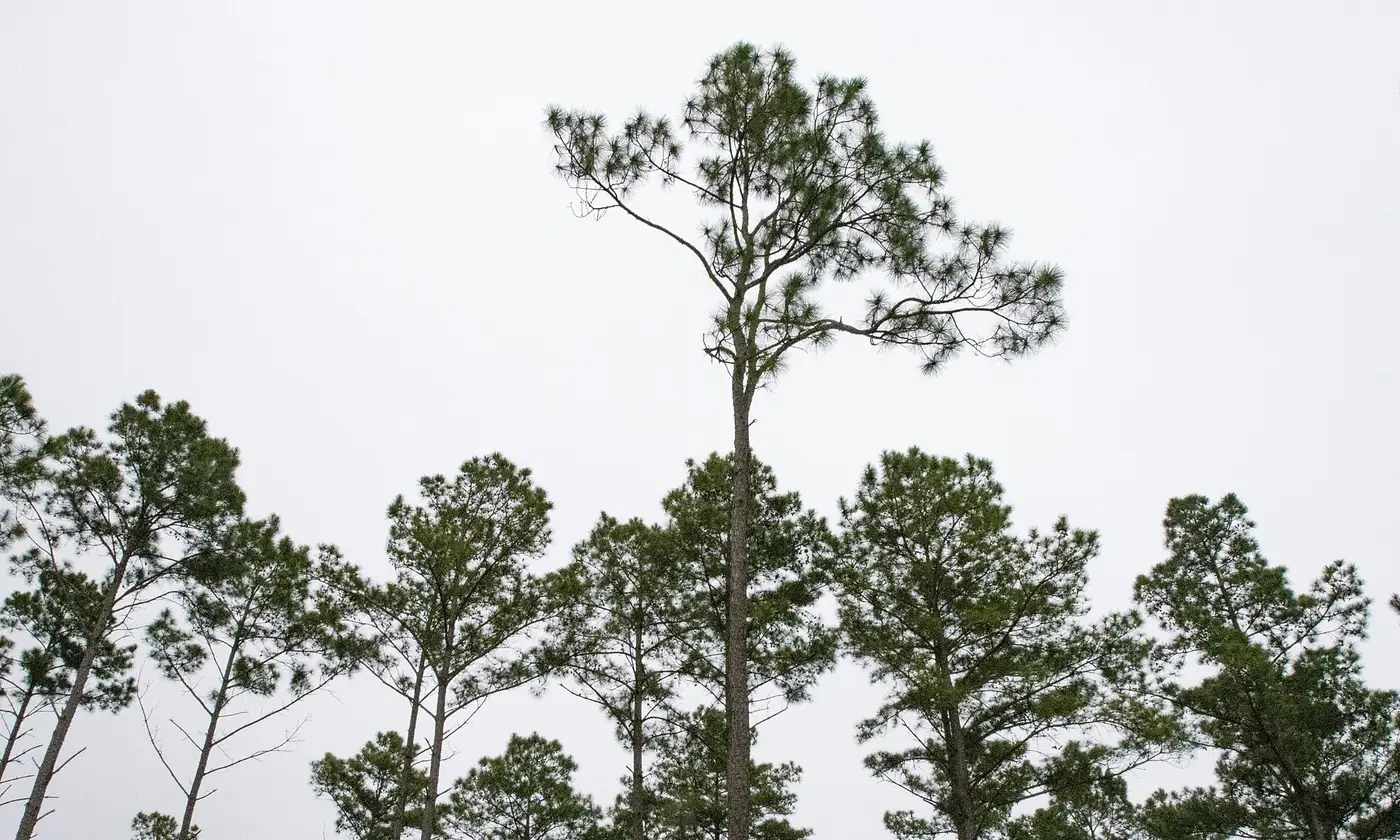
Six jobs a ridge lot in this county actually generates: takedowns, pine, pruning, stumps, storms and clearing.
Taken down whole where the ground allows, or lowered in sections where a roof is underneath.
Read moreThinning, raising, reduction and deadwood, every cut placed outside the branch collar.
Read more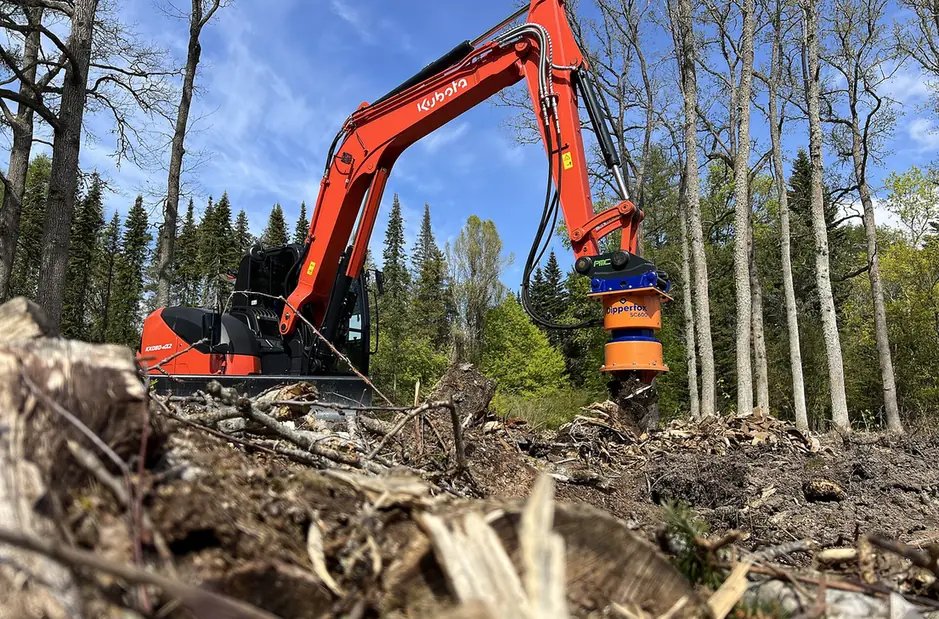
Ground out below the surface so the spot will hold turf, a bed or a post again.
Read more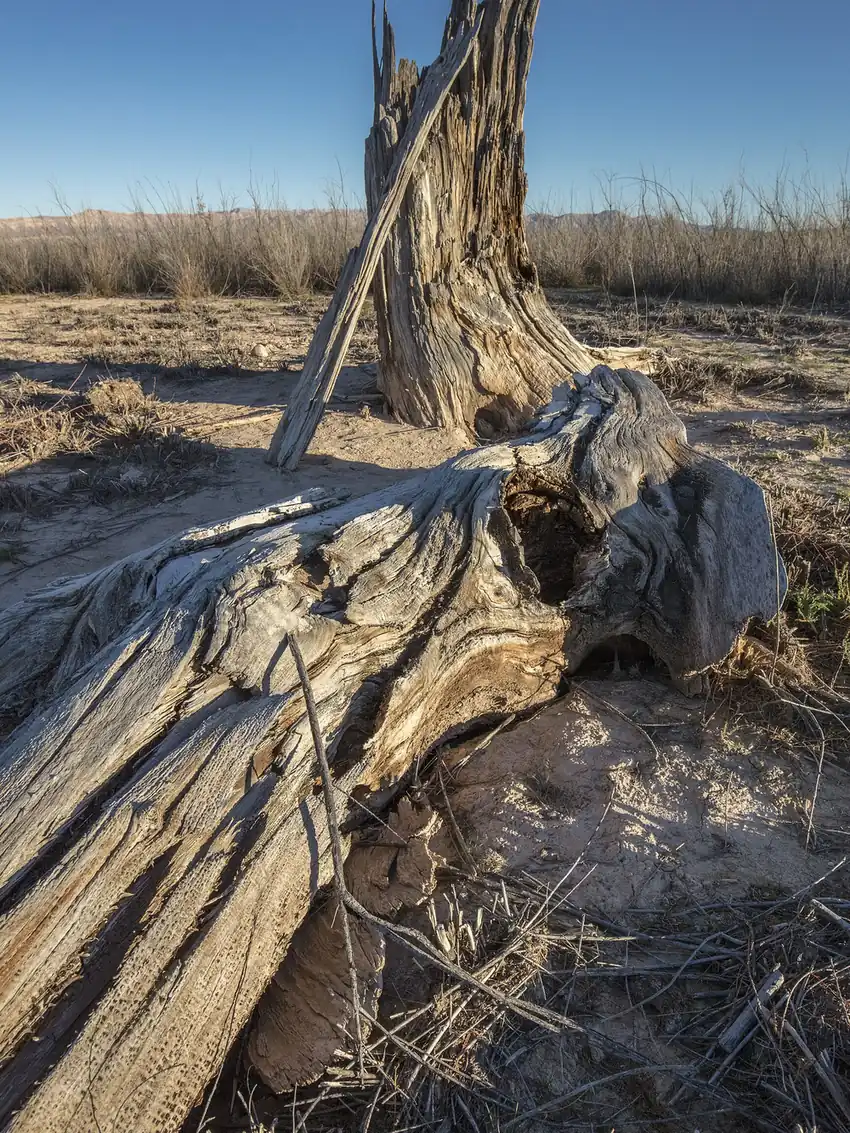
Whatever is on a roof or across a drive gets seen first, then the rest of the danger.
Read more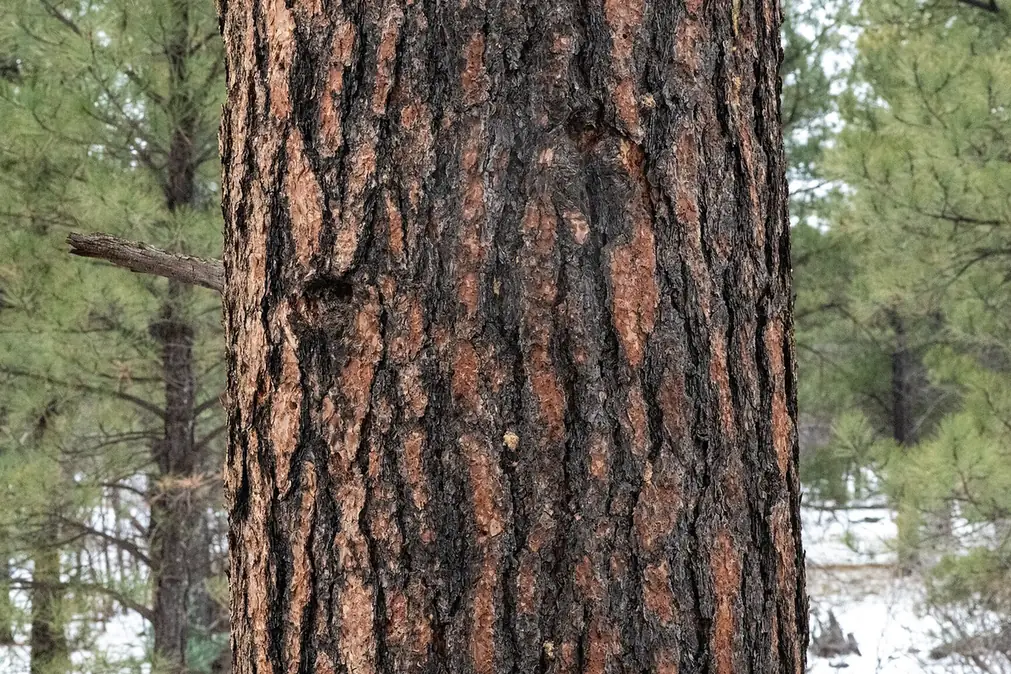
Beetle-struck and storm-stressed pine, taken down before it does the deciding.
Read more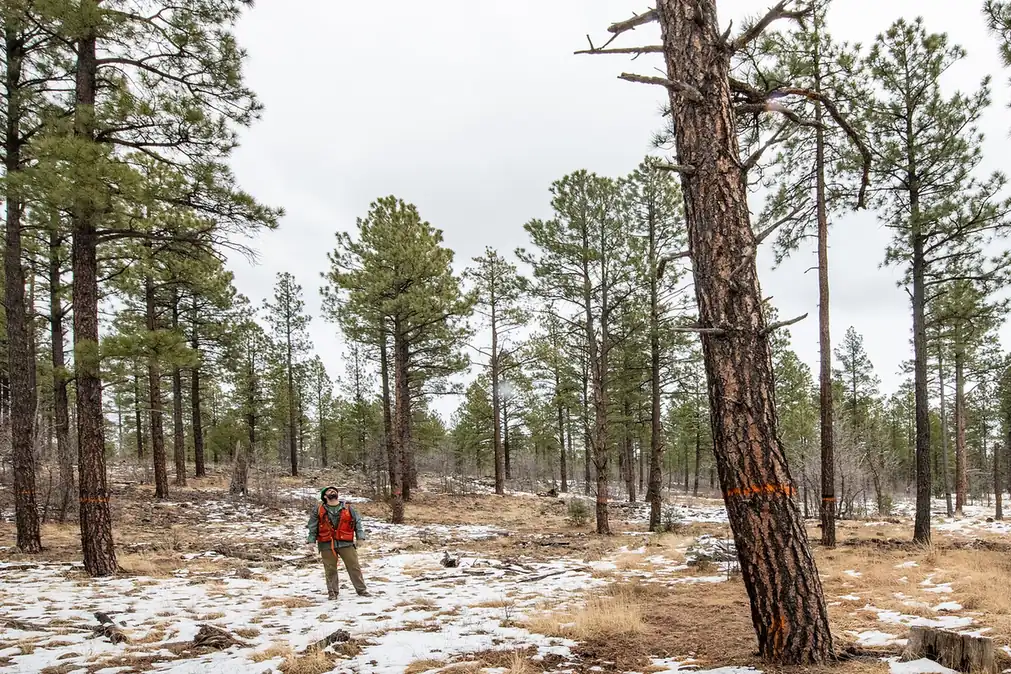
Brush, scrub and stems cleared back to a boundary you have agreed in writing first.
Read moreThe ridge and the valleys either side of it: Hoover and Bluff Park south, Homewood and Mountain Brook north, Birmingham beyond, and out to Pelham, Helena and Alabaster when the job is worth the run. One rate sheet, no mileage line.