
Tree Removal
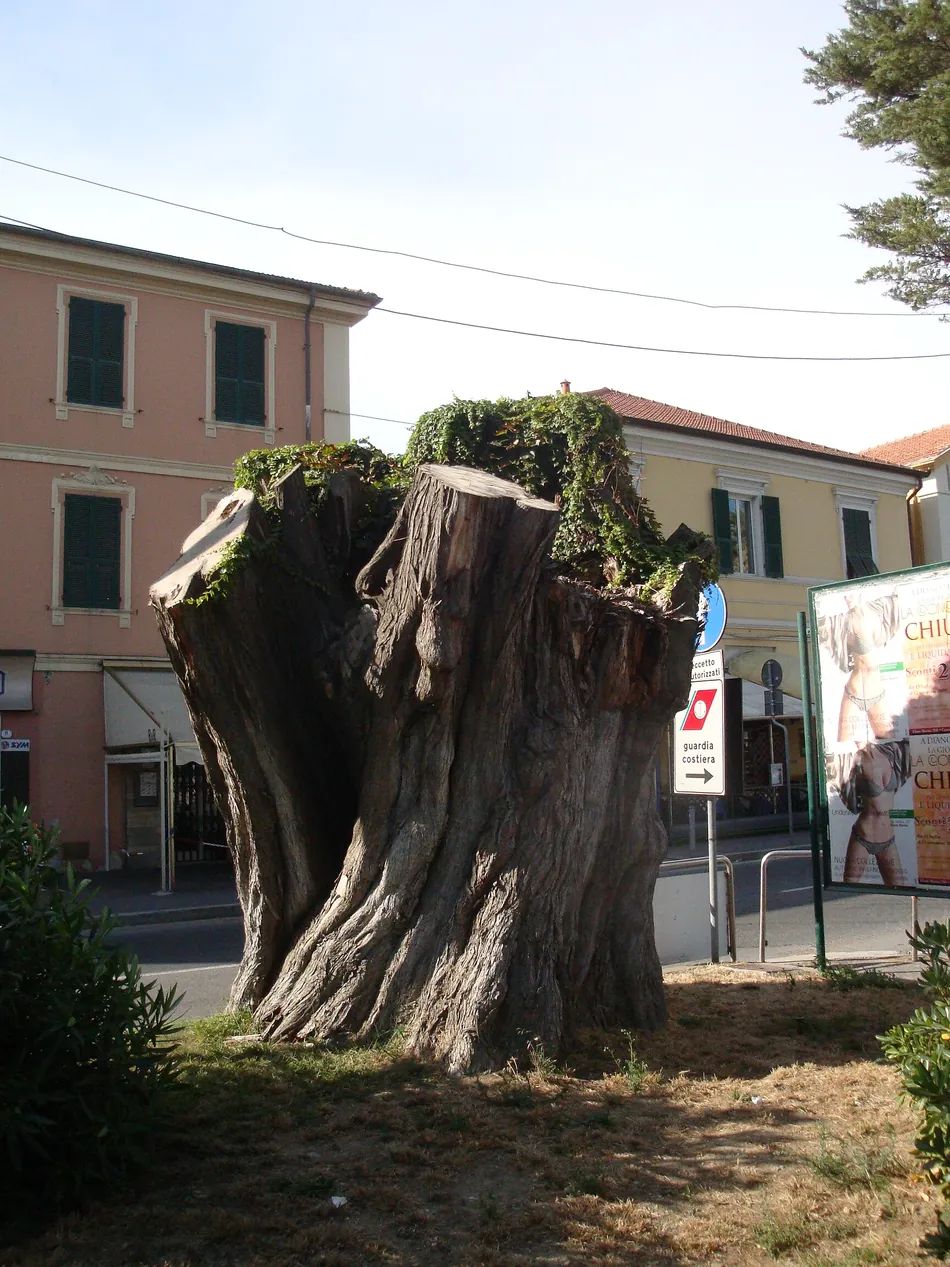
Taken down whole where the ground allows, or lowered in sections where a roof is underneath.
Read more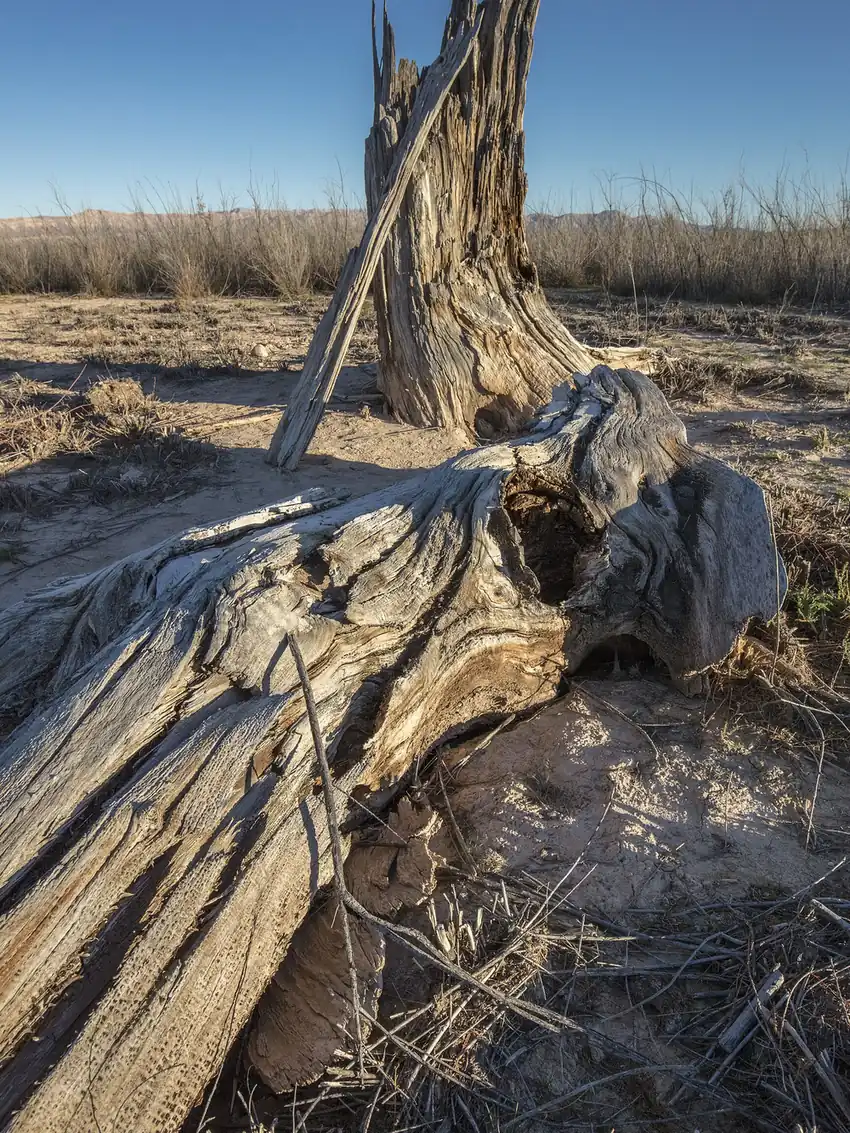
Something on the roof, across the drive, or standing at an angle it was not standing at last week. People and exits first, the rest of the danger second, tidiness last.
Storm work runs on triage rather than on the order the phone rang, and the honest version of that is worth saying out loud.
What is resting on what, whether anybody is hurt, and whether a conductor is in the picture. Those three answers set the order.
Anything on a structure, blocking an exit, or tangled in a line gets looked at before anything that is merely untidy.
Ordinary rates, written down, agreed before the work begins and set out so an adjuster can read it without ringing us.
Load comes off the structure, access opens, then the remaining danger is dealt with properly rather than quickly.
After a big wind the useful survey is done slowly, from the ground, looking up. These four cover most of what turns into a second call two weeks later.
| What you can see | What it means | How urgent | What we do about it | If it is left |
|---|---|---|---|---|
| Soil ridged opposite the lean | The root plate rotated in this storm | Immediate | Assessed the same day where we can reach it | It goes over in the next comparable wind |
| A limb lodged in the canopy | Broken but caught, not fallen | High | Taken out from a rope or a lift | It drops on its own schedule |
| A fresh split at a fork | The union has begun to come apart | Medium to high | Reduced, cabled, or removed depending on depth | Splits widen, they do not close |
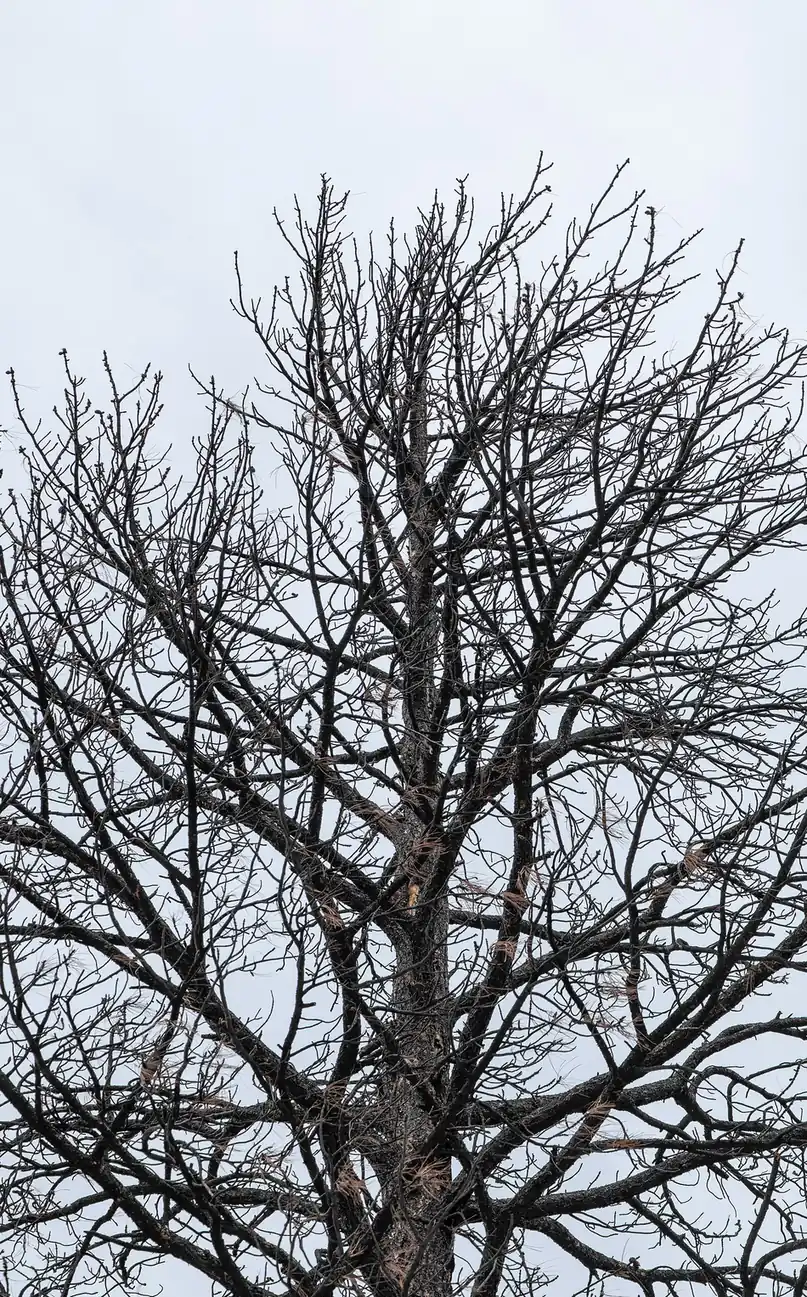
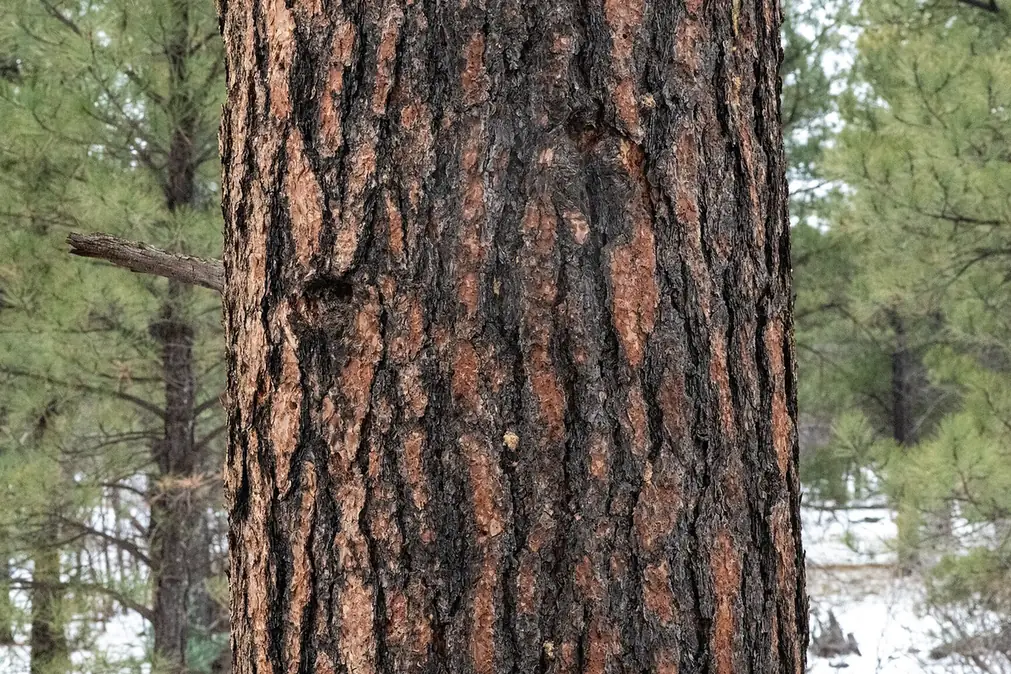
| Bark shed in plates from a pine | The wood beneath has dried out | Medium | Read for beetle activity, then priced as a takedown | It becomes unclimbable and the job costs more |




It concentrates it. A crest lot has no shelter on either side, so a wind that a valley street barely notices arrives at full strength up here. Alabama supplies the wind readily enough: the 27 April 2011 outbreak alone produced sixty-two tornadoes across the state in a single day, five of them rated EF-4 or stronger. What comes down afterwards on Vestavia Hills lots is usually whatever was already compromised, which is why the survey matters a great deal more than the forecast does. Wind finds the weak tree, and the weak tree is generally identifiable from the ground on a dry afternoon well before the warning goes out.
Six jobs a ridge lot in this county actually generates: takedowns, pine, pruning, stumps, storms and clearing.
Taken down whole where the ground allows, or lowered in sections where a roof is underneath.
Read moreThinning, raising, reduction and deadwood, every cut placed outside the branch collar.
Read more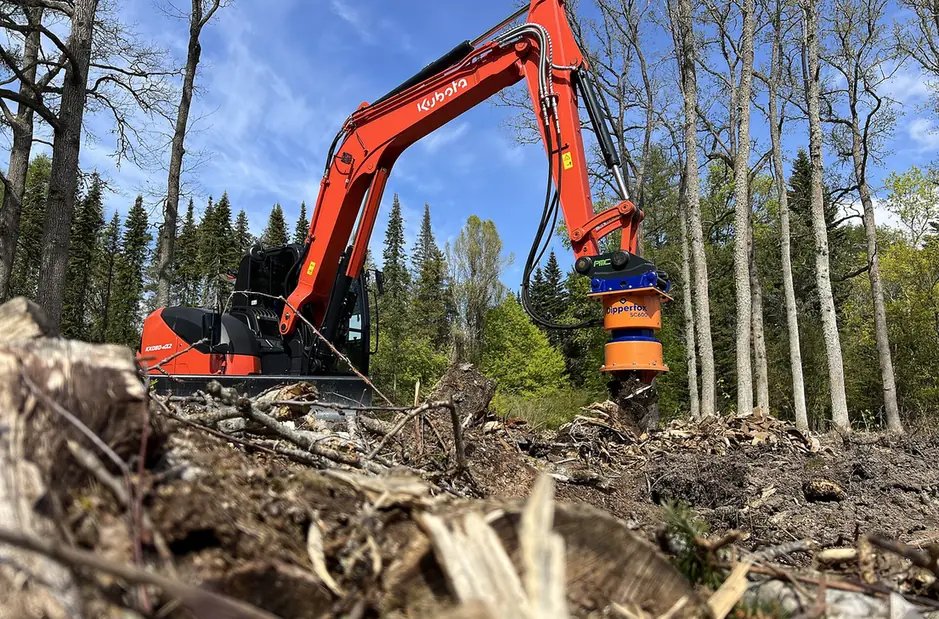
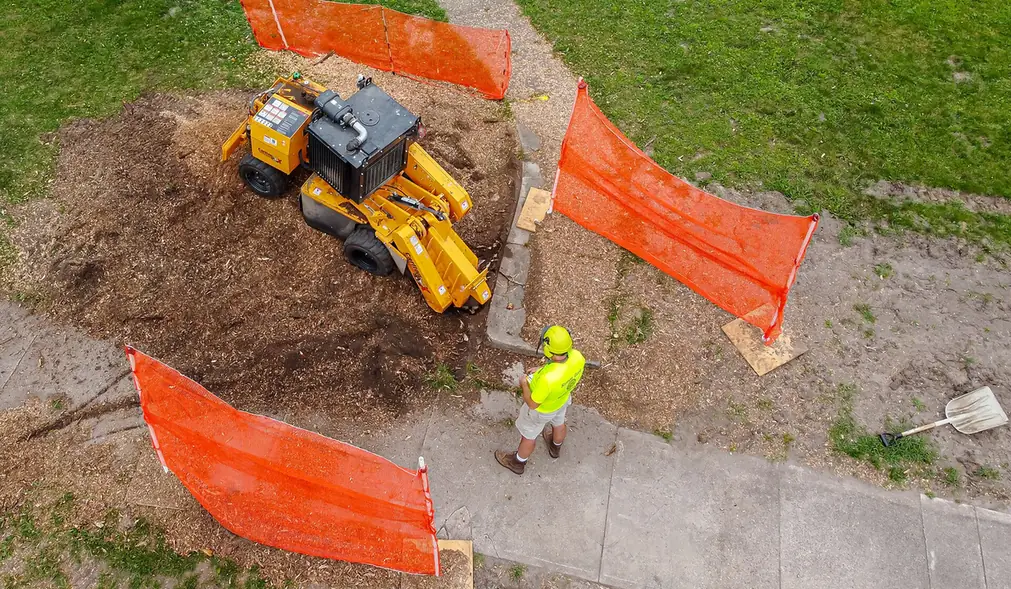
Ground out below the surface so the spot will hold turf, a bed or a post again.
Read moreWhatever is on a roof or across a drive gets seen first, then the rest of the danger.
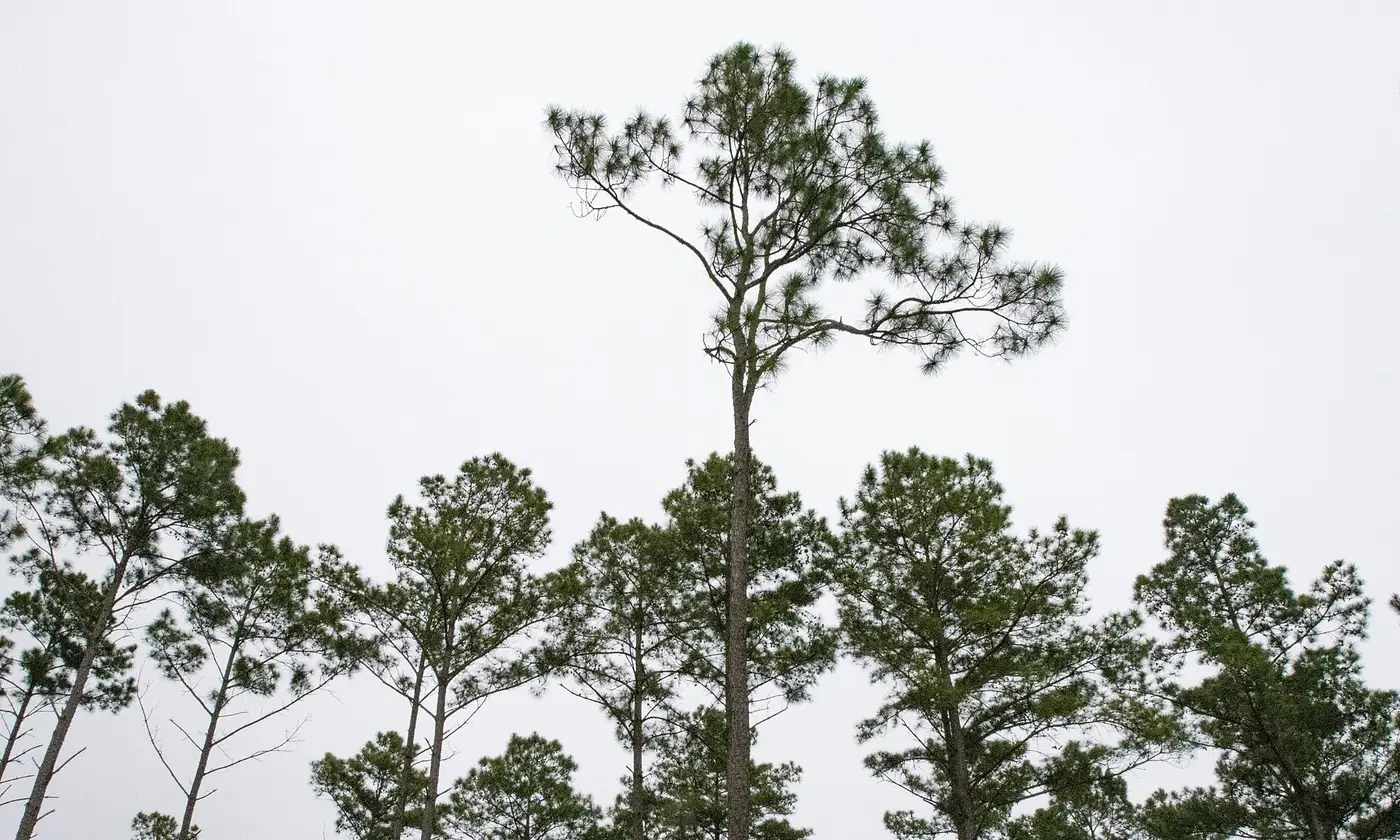
Read moreBeetle-struck and storm-stressed pine, taken down before it does the deciding.
Read more
Brush, scrub and stems cleared back to a boundary you have agreed in writing first.
Read moreThe ridge and the valleys either side of it: Hoover and Bluff Park south, Homewood and Mountain Brook north, Birmingham beyond, and out to Pelham, Helena and Alabaster when the job is worth the run. One rate sheet, no mileage line.