
Tree Removal
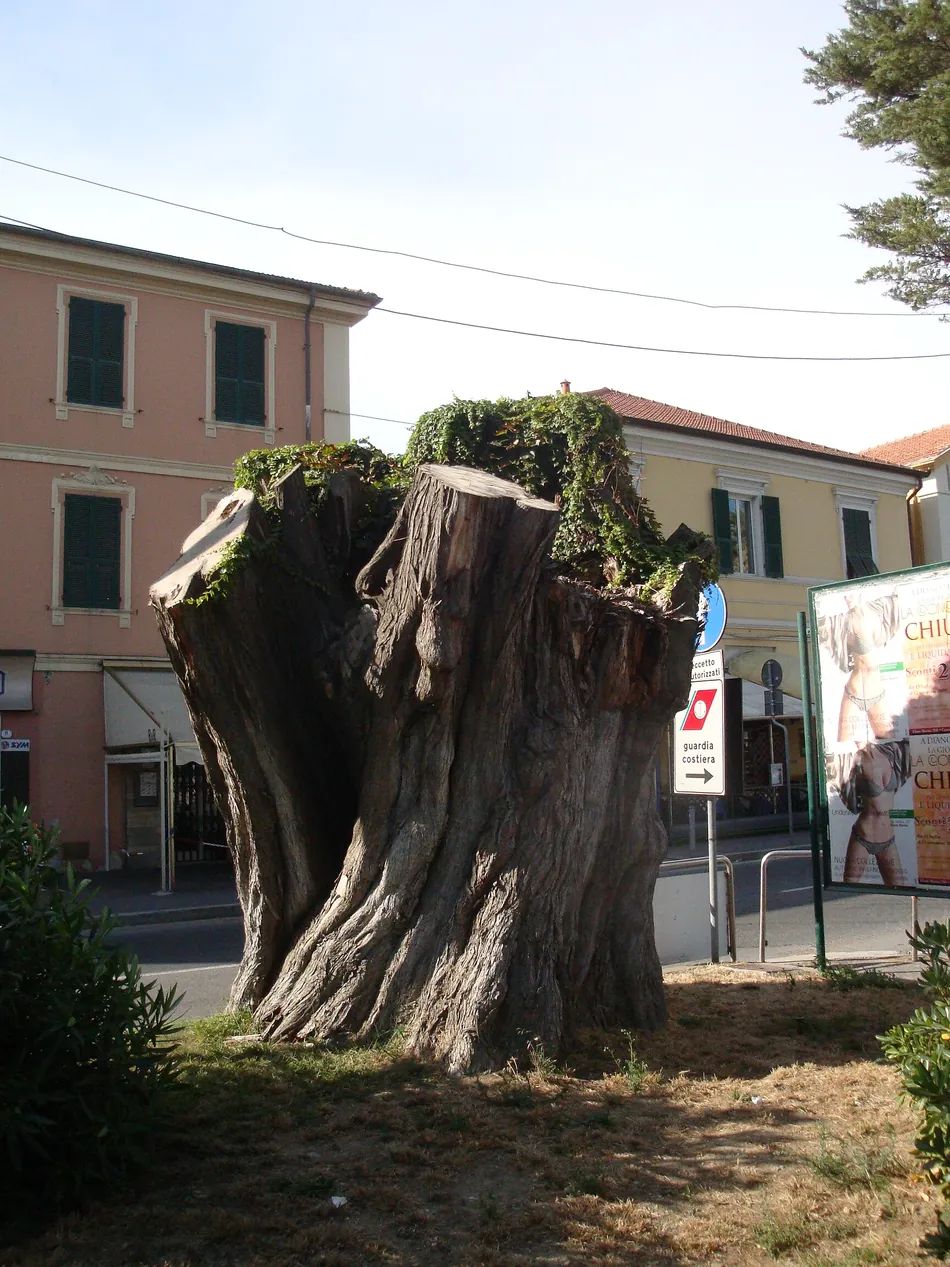
Taken down whole where the ground allows, or lowered in sections where a roof is underneath.
Read more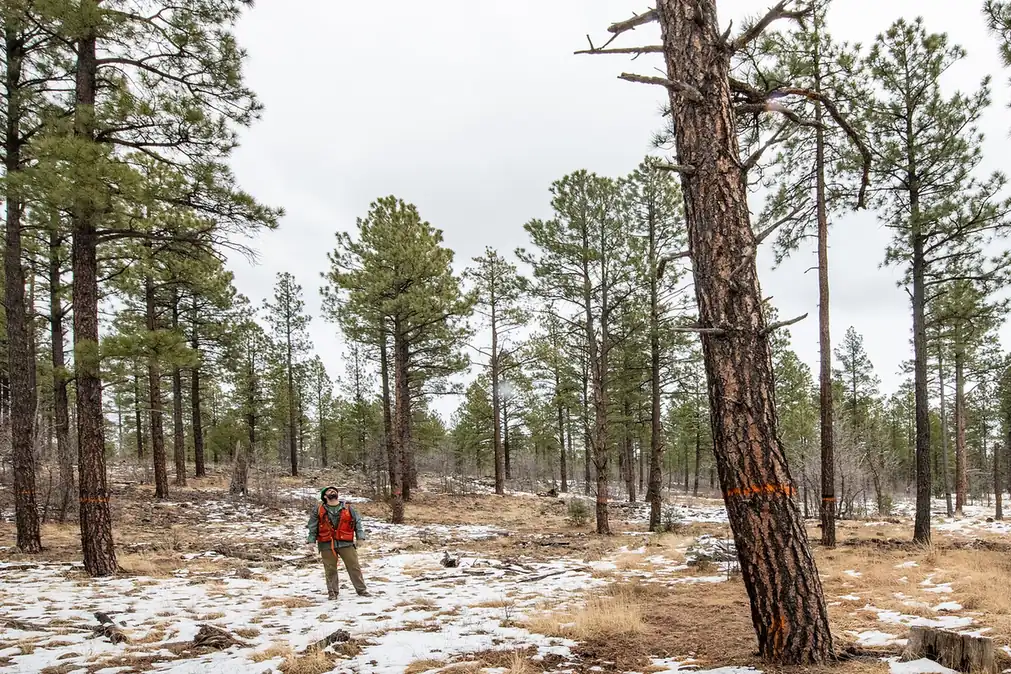
Scrub, saplings and stems taken back to a line you have agreed in writing, with the keep-list marked on the ground before a machine is booked.
Stem density, the largest thing standing, where the debris goes and how the ground is sitting that week. None of it is visible on a map.
Rough area, what it is being cleared for, and whether the boundary exists on the ground or only on a drawing.
Together, marking what stays, counting what is actually growing there, and flagging anything that changes the method.
Boundary, keep-list, debris plan and figure, all written down before anything is booked in.
Cleared to the agreed line, debris handled the way you chose, ground left workable for whoever comes next.
Walking a site before quoting turns up the same handful of surprises again and again. None is a reason not to clear. All of them change the price or the method, and finding them on the walk is a great deal cheaper than finding them mid-job.
Fences drift, hedges creep and old markers vanish. An unmarked boundary is the most expensive risk on a clearing job.
Graded ridge lots often sit on fill, which changes how machines behave and how the bank holds once roots come out.
There is nearly always one tree worth the extra hour of care. Marking it beforehand costs nothing.
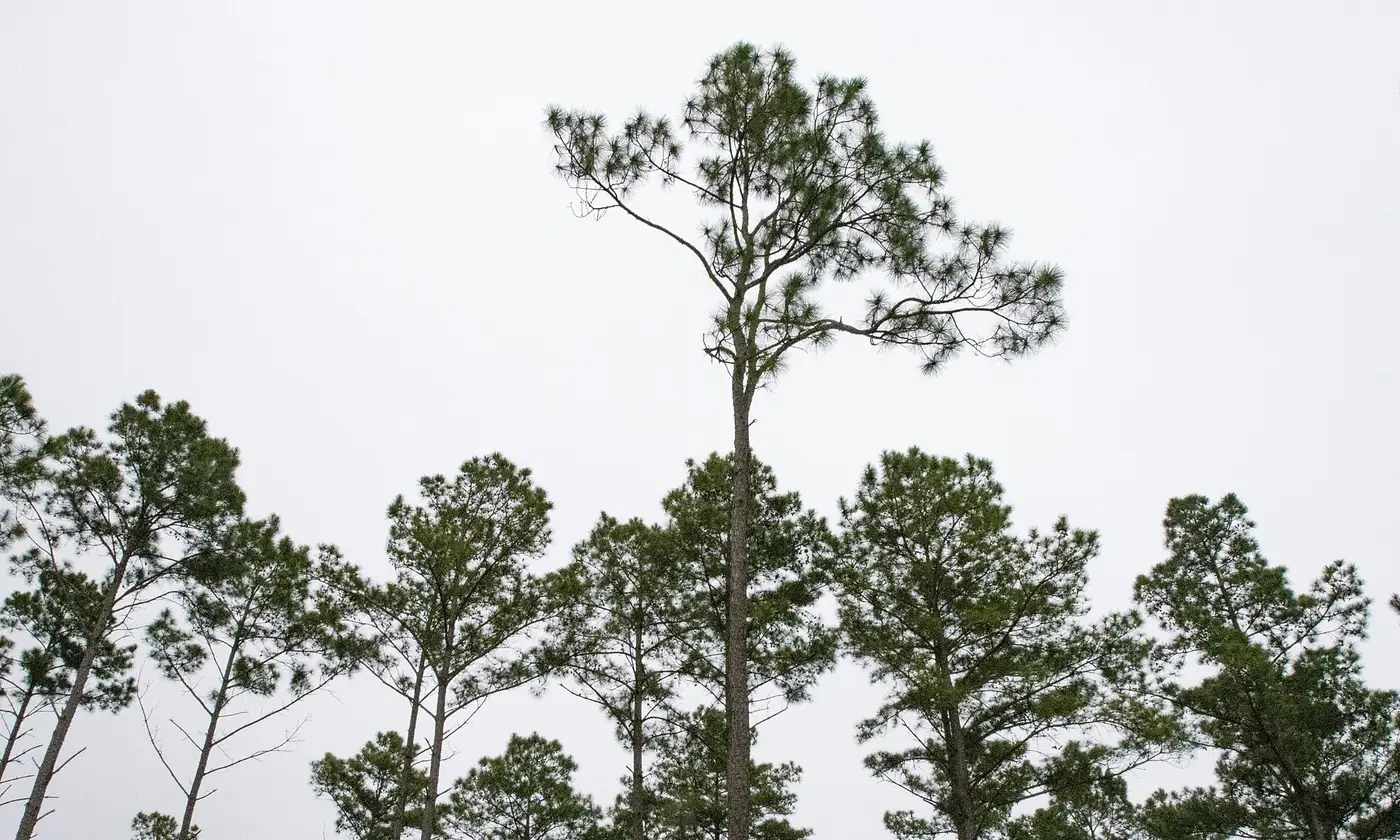
Dead pine in a clearing area is not a felling problem, it is a brittle-wood problem, and it gets staged differently.
Irrigation, old lines and abandoned runs turn up in exactly the places nobody drew them. Everything gets marked first.
Water finds its way across a slope. Clearing changes that, so it is worth knowing where it goes before, not after.
Because it decides what can get in and what happens after. Ground on a Vestavia Hills bank moves once the roots holding it stop being there, and a tracked machine on a wet slope leaves ruts that outlast the clearing by years. Timing the work and staging the removal are half the skill here, and the other half is agreeing exactly where the line runs before anybody starts cutting. Both of those happen on the walk, before a machine is booked and before any figure exists at all. It is also why we will occasionally tell somebody that half a lot is worth clearing and the other half is worth leaving exactly as it is.
Six jobs a ridge lot in this county actually generates: takedowns, pine, pruning, stumps, storms and clearing.
Taken down whole where the ground allows, or lowered in sections where a roof is underneath.
Read moreThinning, raising, reduction and deadwood, every cut placed outside the branch collar.
Read more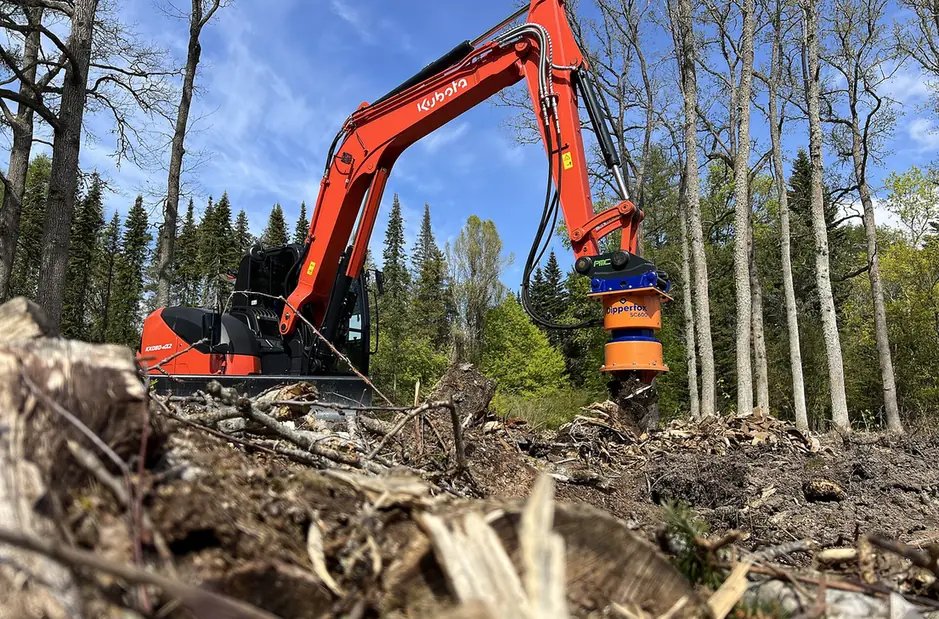
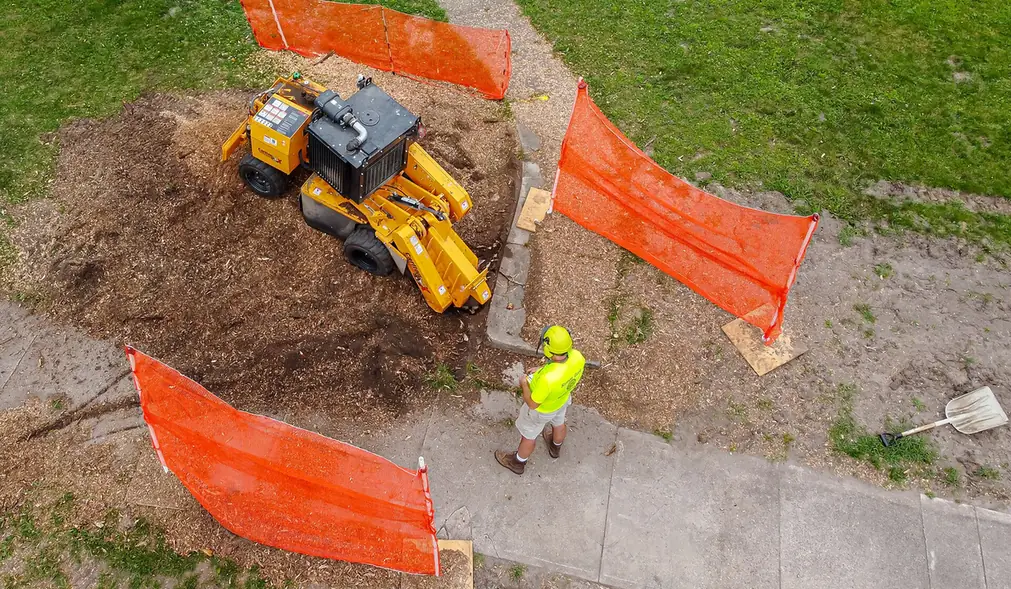
Ground out below the surface so the spot will hold turf, a bed or a post again.
Read more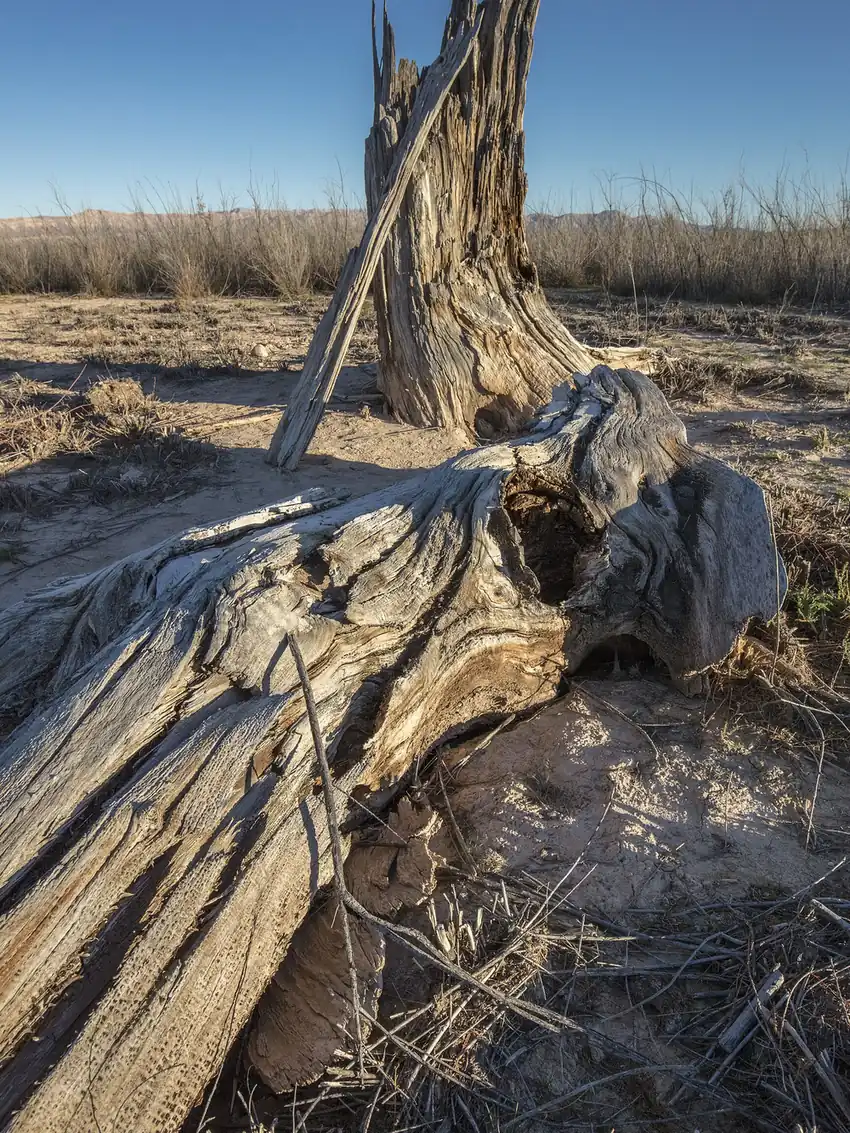
Whatever is on a roof or across a drive gets seen first, then the rest of the danger.
Read more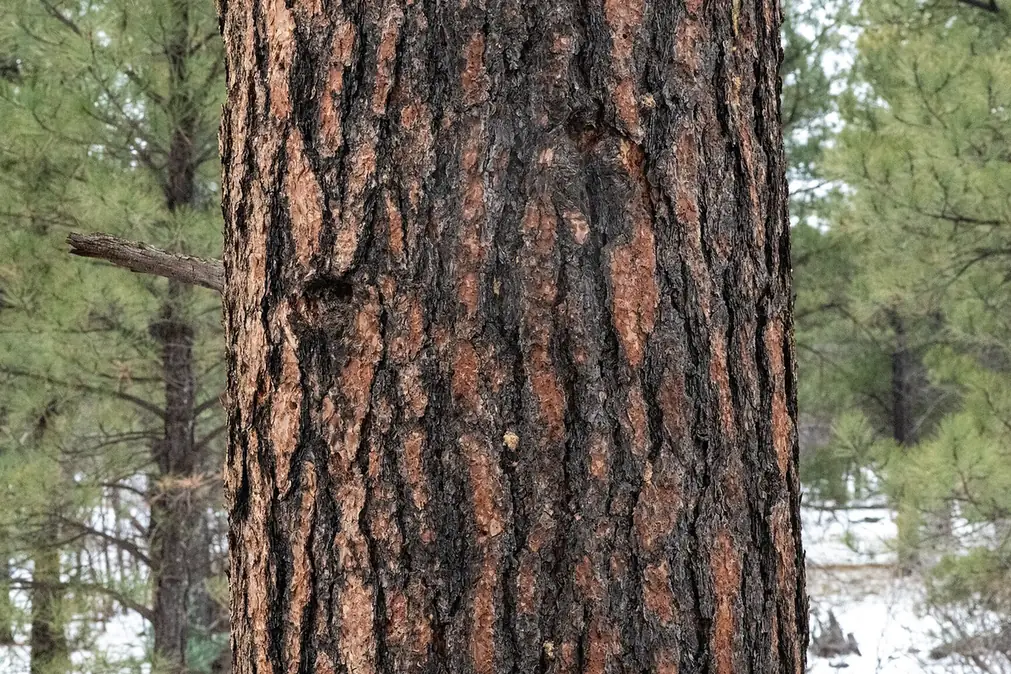
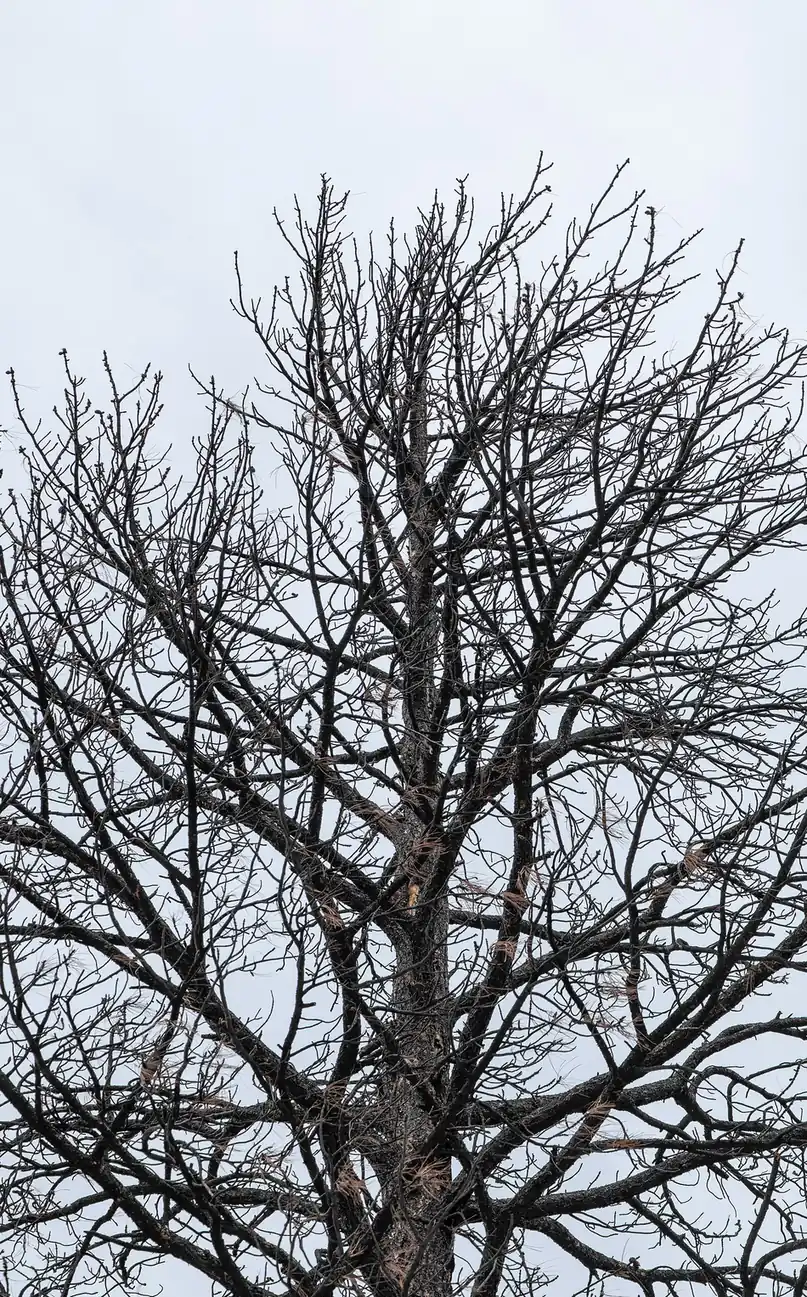
Beetle-struck and storm-stressed pine, taken down before it does the deciding.
Read moreBrush, scrub and stems cleared back to a boundary you have agreed in writing first.
Read moreThe ridge and the valleys either side of it: Hoover and Bluff Park south, Homewood and Mountain Brook north, Birmingham beyond, and out to Pelham, Helena and Alabaster when the job is worth the run. One rate sheet, no mileage line.