
Tree Removal
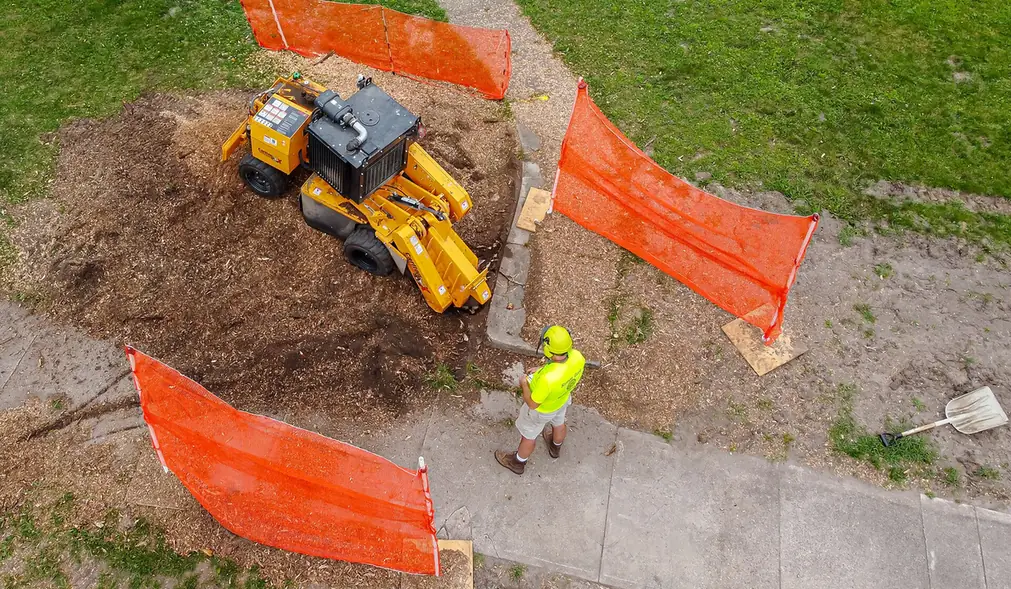
Taken down whole where the ground allows, or lowered in sections where a roof is underneath.
Read more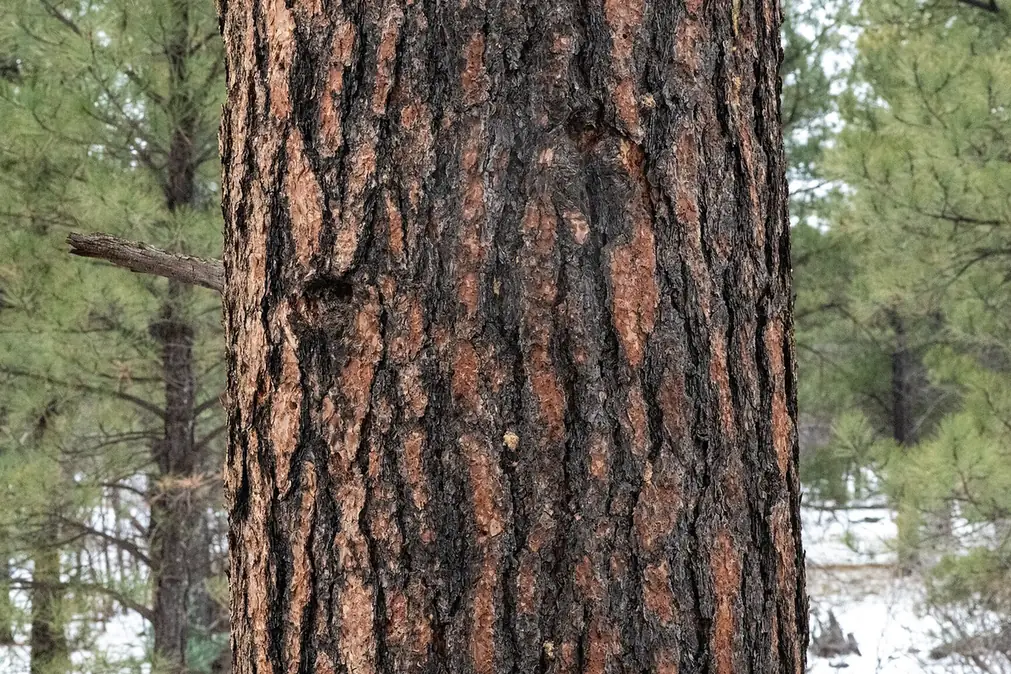
Loblolly and shortleaf grow fast, stand tall and die quietly. By the time the needles turn, the decision has usually already been made for you.
It fails differently, it cannot be pruned back, and once the beetles are in it the timetable stops being yours.
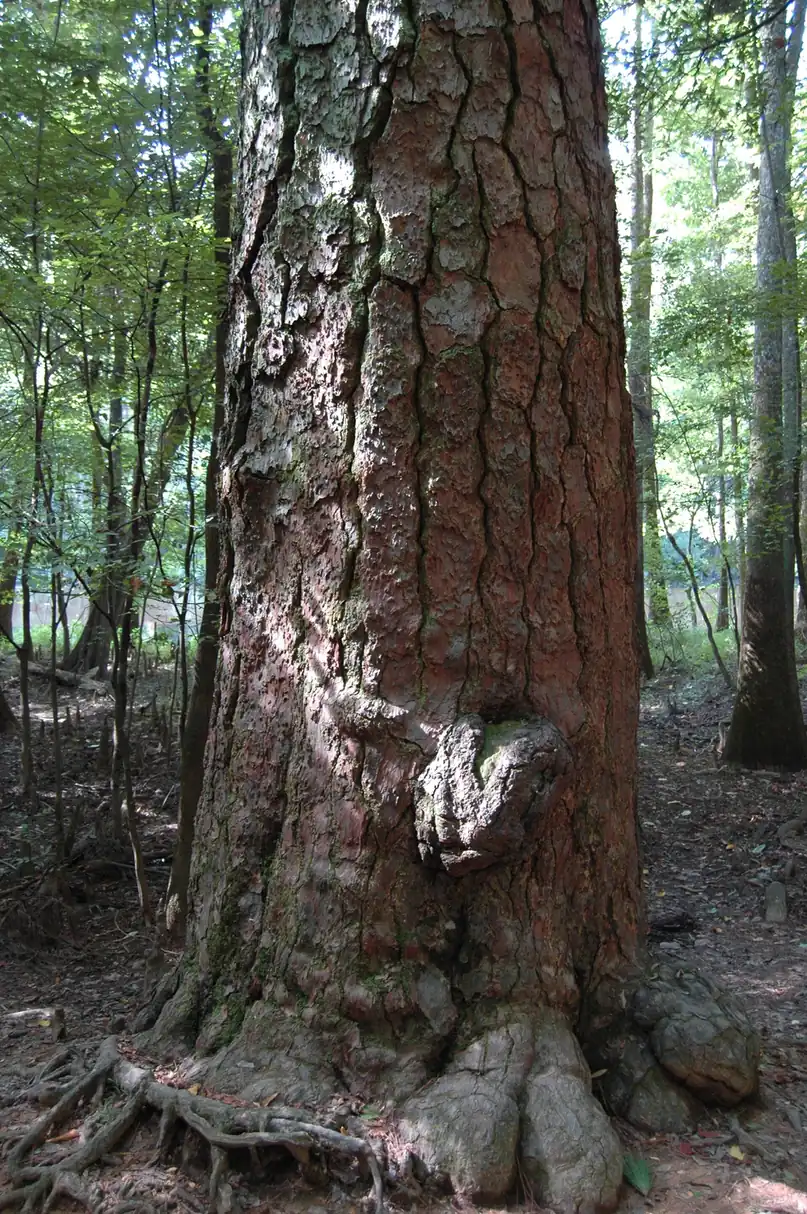
Where it stands, roughly how tall, and what is below it. Photographs of the trunk and the crown tell us more than a description does.
Bark for pitch tubes and boring dust, crown for color, base for movement, then an honest read on how much sound wood is left.
Method and figure on paper, and if the wood has gone far enough that a lift or crane is the safe answer, that is said before the day.
Down in the order the wood allows, loaded and gone, and the ground left clear rather than covered in pine litter.
Pine height, the state of the wood and what sits below decide this between them. The condition of the timber is the variable most people leave out.
| Condition of the pine | Method it allows | What the site needs | Effect on cost | Why |
|---|---|---|---|---|
| Live, open ground below | Felled whole | A drop zone the height of the tree | Lowest | Nothing underneath needs protecting |
| Live, house or drive below | Climbed and rigged in sections | A safe tie-in and a landing area | Higher, in crew hours | Every piece is lowered rather than dropped |
| Recently dead, bark holding | Rigged, with care, or lifted | Access for a lift if used | Higher again | The wood is drying and losing its bend |
| Long dead, bark shedding | Lift or crane, not climbed | Room to set a machine | Highest | Brittle wood will not carry a climber safely |
If a pine is sound we will say so, even standing next to one that is not. When it is not sound you will get the reason, the method the wood allows, and the figure, before anything gets cut.
Because it goes for the one already in trouble. The southern pine beetle prefers loblolly and shortleaf, and pines become susceptible when they are stressed by drought, flooding, physical damage or overcrowding. On a Vestavia Hills ridge lot all four are available: thin soil that dries fast, grading that changed the water, storm damage from the last big wind, and stands left too tight when the houses went in. The beetle is native and there is no quarantine attached to it. It is simply very good at finding the tree that was already losing, which is why one pine goes and the one beside it carries on for another decade.
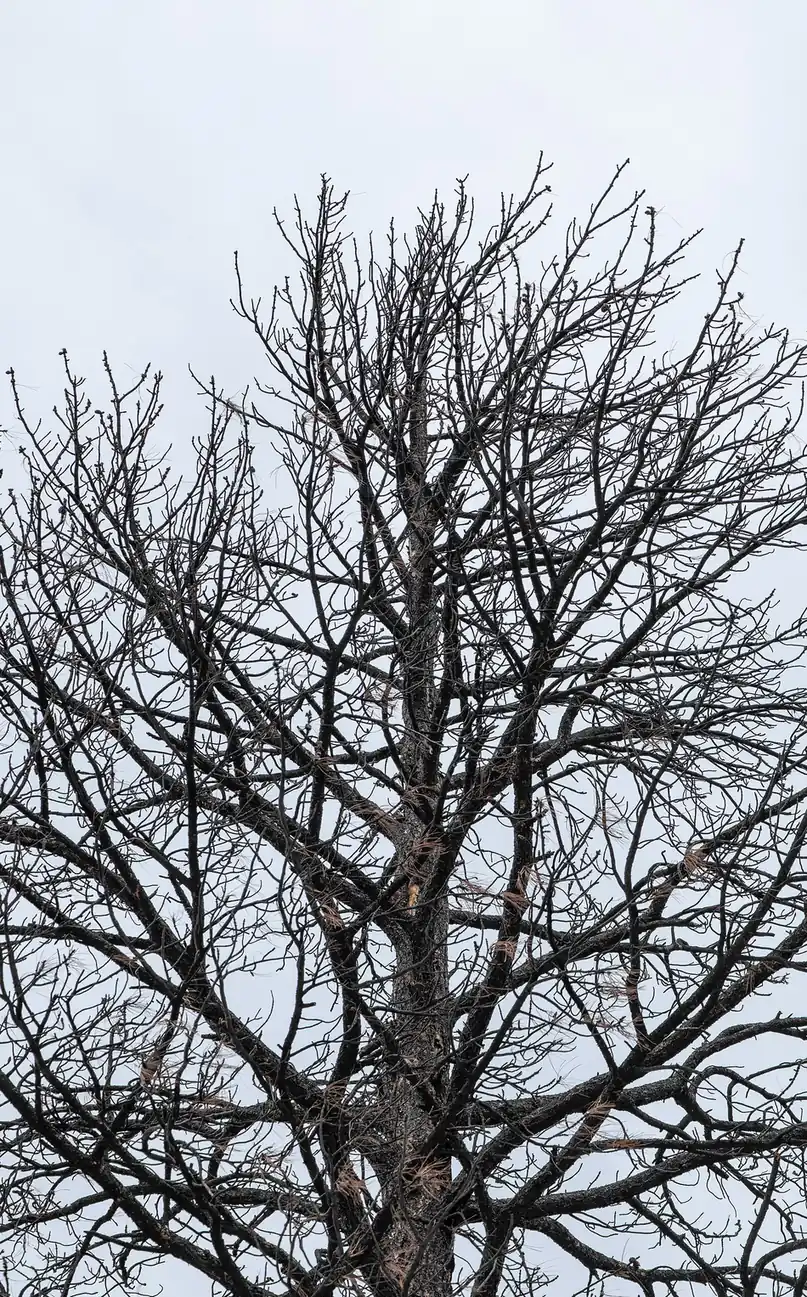
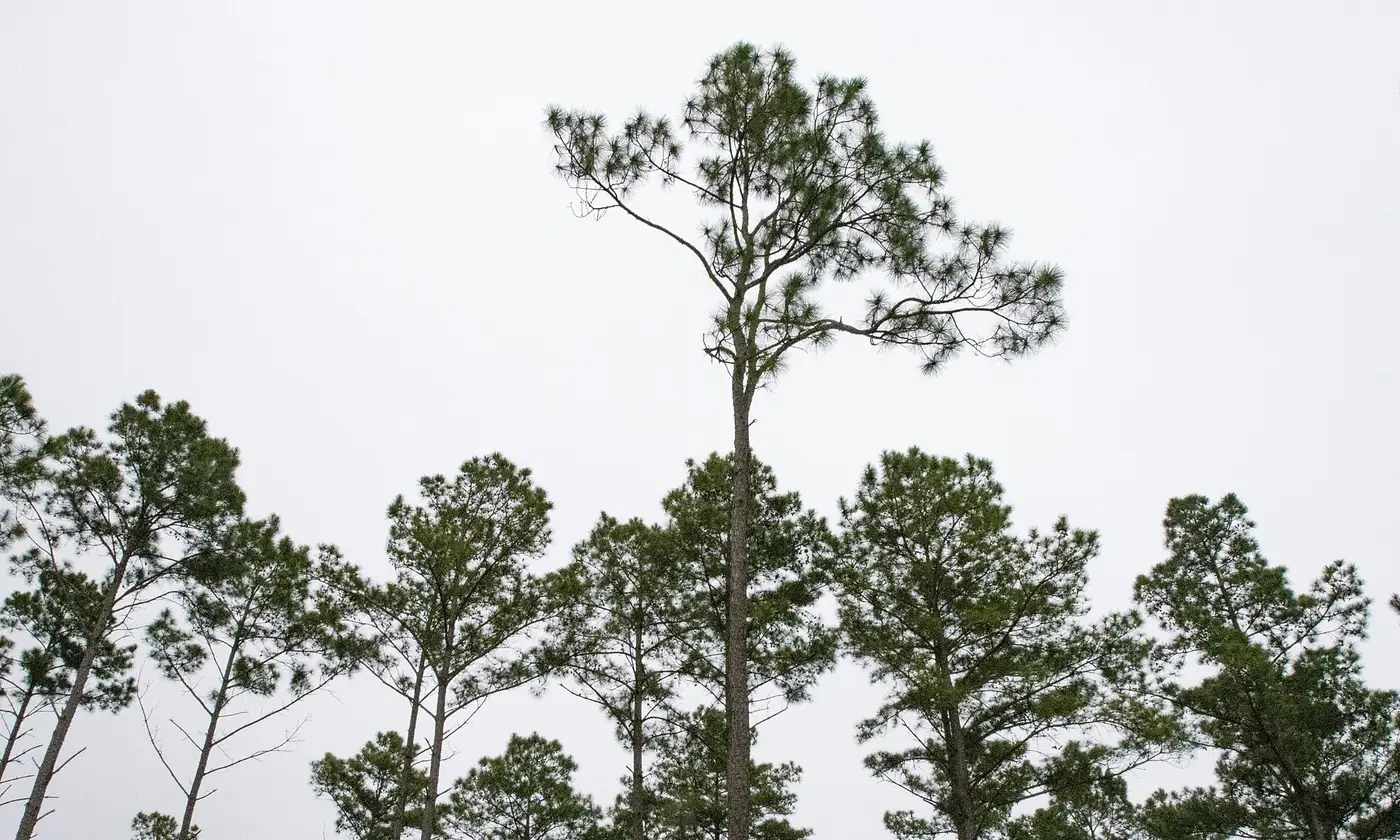
Six jobs a ridge lot in this county actually generates: takedowns, pine, pruning, stumps, storms and clearing.
Taken down whole where the ground allows, or lowered in sections where a roof is underneath.
Read moreThinning, raising, reduction and deadwood, every cut placed outside the branch collar.
Read more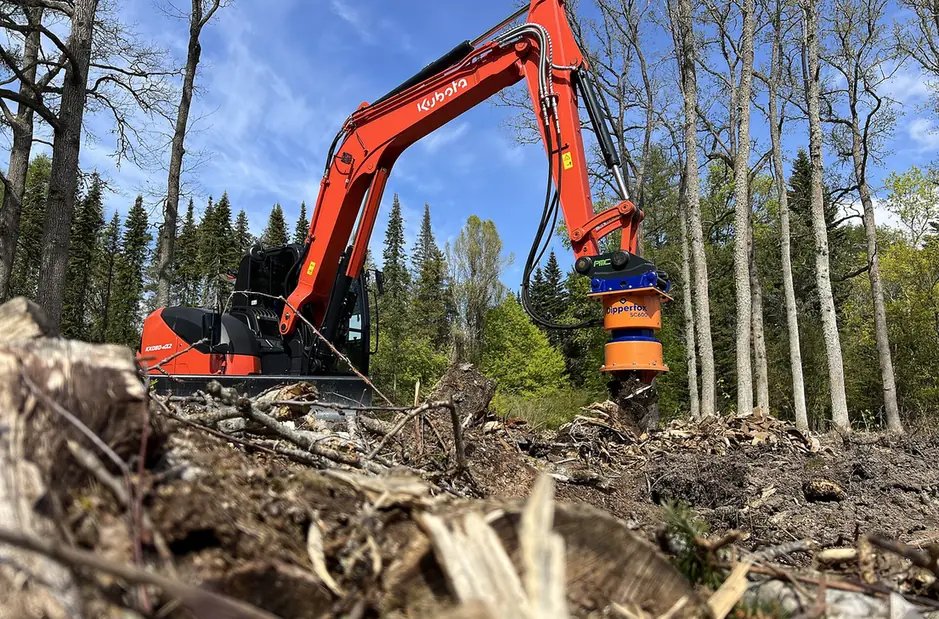
Ground out below the surface so the spot will hold turf, a bed or a post again.
Read more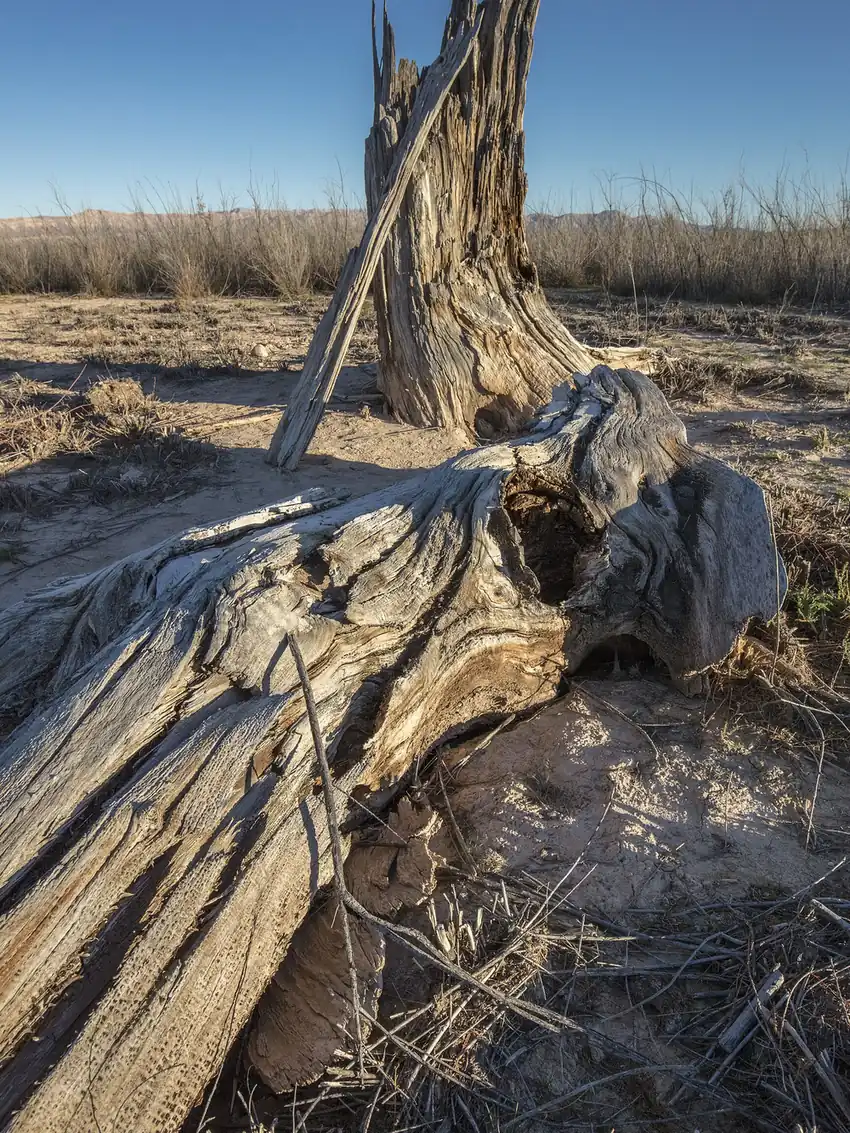
Whatever is on a roof or across a drive gets seen first, then the rest of the danger.
Read moreBeetle-struck and storm-stressed pine, taken down before it does the deciding.
Read more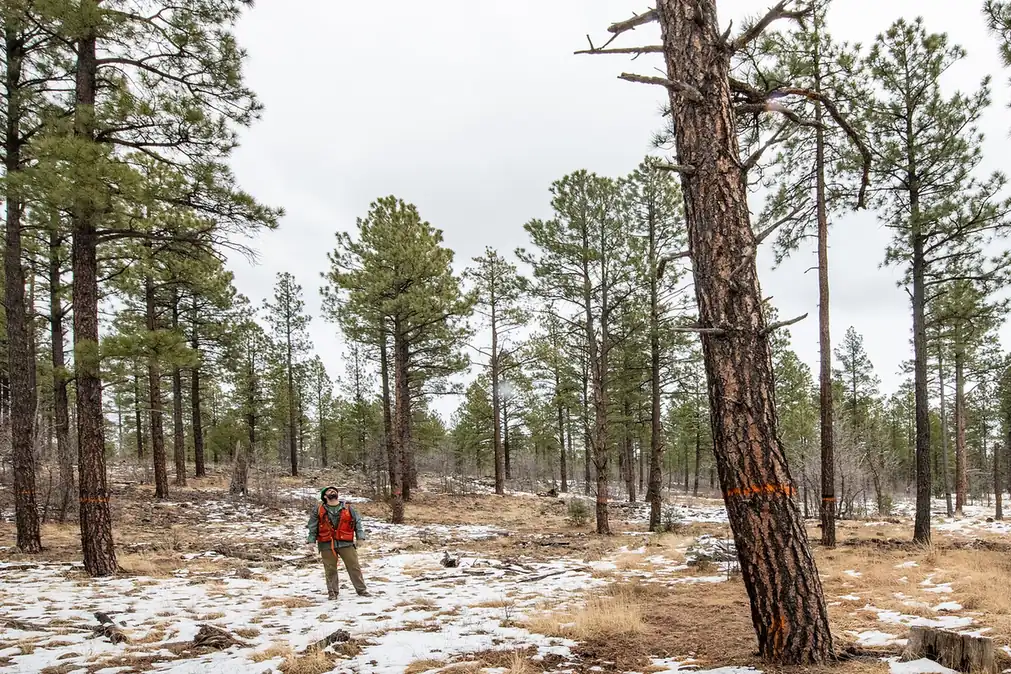
Brush, scrub and stems cleared back to a boundary you have agreed in writing first.
Read moreThe ridge and the valleys either side of it: Hoover and Bluff Park south, Homewood and Mountain Brook north, Birmingham beyond, and out to Pelham, Helena and Alabaster when the job is worth the run. One rate sheet, no mileage line.